
Property Owner Responsibilities for Injuries on Uneven Pavement and Sidewalks
When I walk down a city street, I usually expect the sidewalk beneath me to be safe. But that鈥檚 not always the case. Cracked pavement, raised edges, or worn-out concrete can create hazards that lead to tripping and falling. These accidents often cause serious injuries that go far beyond embarrassment; they can result in medical bills, time off work, and long-term pain.
At The 海角大神, I鈥檝e worked with people who鈥檝e faced these challenges after falling on uneven pavement. I鈥檝e seen how personal injury cases tied to sidewalks can change lives, and I understand the importance of holding property owners accountable. Property owners have a duty to maintain safe walkways, and when they neglect to do so, the consequences can be severe.
Based in New York, New York, my firm serves clients throughout New York City, including Kings County (Brooklyn), Queens County, New York County (Manhattan), Bronx County, and Richmond County (Staten Island). Contact my office today to schedule a free consultation.
Why Property Owner Responsibility Matters
I鈥檝e learned through years of experience that accidents on uneven pavement rarely happen by chance. More often, they鈥檙e the result of neglect. When property owners overlook maintenance or ignore warning signs, the public pays the price. That鈥檚 why property owner responsibilities are so important鈥攖hey help prevent accidents and personal injury cases before they happen.
A sidewalk may look harmless, but even a one-inch elevation change can be dangerous. I鈥檝e seen cases where a slight crack in the concrete caused someone to fall, leading to broken wrists, concussions, or back injuries. These aren鈥檛 minor incidents; they can change how a person lives day-to-day.
The Legal Duty to Maintain Sidewalks
Property owners aren鈥檛 just encouraged to keep their sidewalks safe鈥攖hey鈥檙e legally obligated to do so. The law requires that sidewalks be maintained in a condition that doesn鈥檛 pose an unreasonable risk to people who use them.
This duty includes several responsibilities:
Regular inspections: Owners must look for potential hazards such as cracks, holes, or raised slabs.
Timely repairs: If a problem is identified, repairs should be made promptly to prevent injuries.
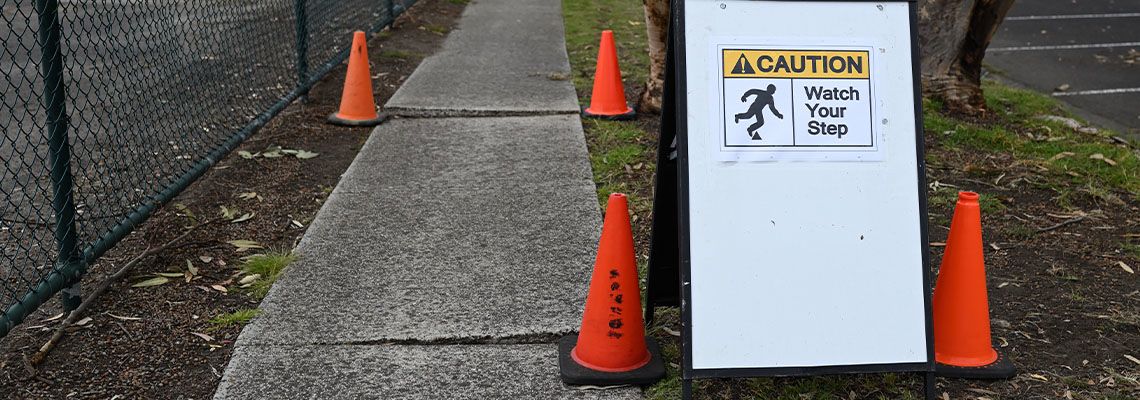
Warning signs or barriers: If immediate repairs aren鈥檛 possible, barriers or warnings should be placed to make pedestrians aware of the danger.
Compliance with city regulations: Municipal rules often outline specific sidewalk maintenance standards, and owners must follow them.
When property owners fail to uphold these duties, they put pedestrians at risk, and that鈥檚 when personal injury cases often arise.
How Tripping and Falling Leads to Serious Injuries
Tripping might seem minor until you鈥檝e experienced the aftermath yourself. I鈥檝e spoken with clients who were shocked at how badly they were hurt after what seemed like a small stumble.
Common injuries from uneven sidewalks include:
Head injuries: A fall can cause concussions, traumatic brain injuries, or skull fractures.
Broken bones: Wrists, arms, and hips are especially vulnerable when people try to break their fall.
Back and spine injuries: These can create chronic pain and long-term mobility challenges.
Cuts and bruises: While sometimes less severe, they still cause pain and may leave permanent scars.
These injuries not only cause physical suffering but also lead to financial stress. Medical bills pile up quickly, and missing work can create even more hardship. That鈥檚 why holding property owners accountable through personal injury cases is so important.
Proving Negligence in Sidewalk Accident Cases
To move a personal injury case forward, I must demonstrate that the property owner was negligent. This means proving that they failed to exercise reasonable care in maintaining the sidewalk. The key elements I look for include:
Duty of care: Confirming that the owner had a responsibility to maintain the sidewalk.
Breach of duty: Showing that the owner didn鈥檛 take reasonable steps to repair or warn about the hazard.
Causation: Linking the unsafe condition directly to the accident.
Damages: Proving that the injuries caused financial, physical, or emotional harm.
Without these elements, a case may not stand in court. But when they鈥檙e present, they make a strong foundation for holding property owners accountable.
Evidence That Strengthens These Cases
A personal injury case is only as strong as the evidence supporting it. I always tell clients that it鈥檚 not enough to say they tripped鈥攖he details matter. Collecting evidence immediately after an accident is one of the most critical steps and a critical aspect in personal injury cases.
Helpful evidence often includes:
Photographs: Clear images of the uneven pavement at the time of the fall.
Witness statements: Testimony from people who saw the accident happen.
Medical records: Documentation of the injuries directly tied to the fall.
Accident reports: Police or incident reports that provide an official record.
Maintenance records: Documents showing whether the owner kept up with repairs.
The stronger the evidence, the more likely it is that a personal injury case will succeed.
Common Defenses Property Owners Use
Property owners don鈥檛 usually admit fault easily. I鈥檝e seen many try to shift blame onto the injured person. Some of the defenses they raise include:
Comparative negligence: Claiming the injured person wasn鈥檛 paying attention or was distracted.
Open and obvious hazard: Arguing that the danger was so visible that it should鈥檝e been avoided.
No notice: Insisting they didn鈥檛 know about the hazard and therefore couldn鈥檛 have fixed it.
Third-party responsibility: Suggesting someone else, like the city or a contractor, was responsible.
Knowing these defenses ahead of time helps me prepare counterarguments. By anticipating how an owner might respond, I can build stronger personal injury cases for my clients.
Why Hiring a Lawyer Matters
Many people ask me if they can handle personal injury cases on their own. Technically, they can, but it鈥檚 rarely a good idea. Property owners often have insurance companies and legal professionals protecting their interests. Without someone experienced on your side, it鈥檚 easy to be pressured into a low settlement or miss key details that weaken your claim.
A lawyer helps by:
Collecting and preserving evidence so it鈥檚 ready for court.
Negotiating with insurance companies that may try to minimize payouts.
Advising on deadlines and legal requirements so you don鈥檛 lose your chance to file.
Representing you in court if a settlement isn鈥檛 reached.
Having legal support means you don鈥檛 have to face property owners and their insurance companies alone.
When Cities May Share Responsibility
Not all sidewalks belong to private property owners. Sometimes the city or municipality is responsible for maintaining them. I鈥檝e handled cases where both the property owner and the city shared liability for a dangerous sidewalk.
This can make cases more complicated, but it also widens the scope for recovery. Identifying every responsible party is a critical step in building a strong claim.
Preventing Sidewalk Accidents Before They Happen
While I focus on helping people after injuries, I also believe prevention matters. Property owners can take simple steps to make sidewalks safer, such as:
Repairing cracks quickly before they grow larger.
Leveling raised slabs that create tripping hazards.
Adding lighting to make uneven areas more visible.
Using slip-resistant materials in areas prone to weather-related wear.
These actions don鈥檛 just protect pedestrians鈥攖hey also protect property owners from facing personal injury cases in the first place.
Reach Out to a Lawyer
If you鈥檝e been injured after tripping on uneven pavement, you don鈥檛 have to go through it alone. I can review your case, explain your options, and assist you in moving forward. Located in New York, New York, and serving clients in Kings County, Queens County, New York County, Bronx County, and Richmond County for personal injury cases. Call The 海角大神 today.